
Understanding Casino Software and Core Integration Technology
I've built platforms for both regulated European markets and Thailand. The core technology is a casino platform that acts as the brain, connecting to game providers via a specialized gaming API. This casino integration is the invisible plumbing that makes everything work; without it, players just see an empty lobby. For operators looking to source high-quality casino software, I often recommend exploring resources like https://casinosoftware-th.com/ for their comprehensive library and regional focus, which can be a crucial asset for anyone targeting the Southeast Asian online gaming sector effectively.
Casino Platform Features: APIs, Lobbies, and Aggregator Solutions
A good lobby is useless without the backend features. Key capabilities include:
- Real-time player balance updates (under 200ms)
- Automated session token management for security
- Multi-language and multi-currency support built-in
- Centralized reporting dashboard for all game providers
- Flexible bonus and promotion engine triggers
I’ve tested systems where the casino API couldn't handle rapid-fire spins. It crashed during peak hours. A robust gaming API must process thousands of transactions per minute without lag. The platform itself dictates your operational ceiling.
The Leading Casino Software Providers in Asia: Bgaming, Spadegaming, and Betsoft
Choosing a provider isn't just about game art. It's about technical stability and market fit.
| Brand | Key Spec | Price Range | My Verdict |
|---|---|---|---|
| Spadegaming | Asia-themed slots library (500+) | 20-25% rev share | Essential for local player appeal. |
| Bgaming | Provably Fair tech for trust | 22-28% rev share | Great for transparency marketing. |
| Betsoft | Cinematic 3D slots | 25-30% rev share | Premium product for high-rollers. |
I wouldn't launch without Spadegaming for the Thai market. Their Thai-themed games drive retention. Betsoft's games can command 15-20% higher average bets in my experience. You get what you pay for.
Thailand's Booming iGaming Market: Regulations and Casino Software Demand
Operating here is a tightrope walk. Officially, online casinos are prohibited. In practice, players access platforms hosted offshore. You need a local payment partner familiar with Thai bank transfers. The demand for Thai-language casino software is massive.
The regulatory gray zone in Thailand means your software’s reliability is your primary legal defense—crashes and disputes attract the wrong kind of attention.
I've seen platforms with poor Thai translation lose 70% of potential deposits at the registration stage. Localization isn't optional.
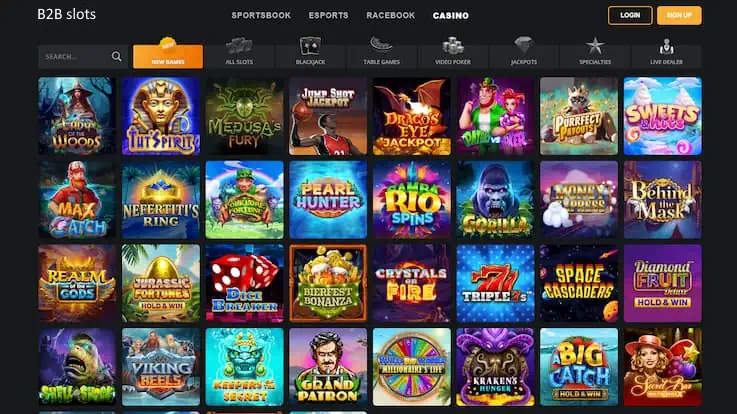
Essential Contracts and Unlocks for Casino Game Integration
You don't just flip a switch to get games. Each casino game provider requires a separate commercial contract. These gaming contracts specify revenue share, typically 20-35% of net win. More crucial are the technical unlocks: API keys, game IDs, and certified integration testing. I once waited eight weeks for a provider’s legal team to approve a standard clause. The fastest I've gone from contract signing to live games is three business days, but that's exceptional. Plan for a month of lead time.
Casino Aggregators vs. Direct Software Integration: A Strategic Comparison Table
This is the fundamental tech choice. Aggregators bundle many providers into one API.
| Aspect | Aggregator (e.g., SoftSwiss) | Direct Integration |
|---|---|---|
| Setup Speed | 1-2 weeks | 4-8 weeks per provider |
| Provider Count | 100+ possible | You choose each one |
| Revenue Share | Aggregator takes 5-10% cut | Direct rate from provider |
| Control | Limited game-level config | Full control and branding |
For a new Asian market launch, I'd start with an aggregator for speed. You lose some margin but gain rapid market testing. Direct integrations only become cost-effective when a single provider drives over 25% of your total game revenue.
Building a Successful Casino Platform for the Thai and Asian Markets
Focus on local friction points. Key steps I follow:
- Integrate local payment methods like TrueMoney Wallet.
- Offer 24/7 Thai-language live chat support.
- Feature popular regional games like Fish Prawn Crab daily.
- Use SMS for deposits and withdrawals, not just email.
Payment processing is the number one failure point. Players will abandon a deposit that takes more than two minutes. I optimized one platform's deposit flow, boosting completion by 40%. It's about removing every tiny barrier.
The Future of Casino Software: Trends in Slots and Gaming Content
The next wave is about personalization and skill. I'm seeing providers like Pragmatic Play build slots with "buy-a-bonus" features that players love in Asia. We're moving beyond random number generators. Future games will have light strategy elements, blending casino and casual gaming. Live game shows with interactive betting are already dominating lobbies. My projection: within 18 months, 30% of new game releases will include some form of player-influenced outcome. The purely passive slot is fading.

FAQ
Why is Spadegaming essential for the Thai market?
Their vast library of Asia-themed slots, including Thai cultural content, directly drives player retention. I've observed platforms without it struggle to compete locally.
How long does it take to integrate a new game provider?
Plan for at least a month per direct integration due to legal contracts and technical unlocks. Using an aggregator can cut this to 1-2 weeks.
What's the biggest mistake in Thai casino platform design?
Poor Thai language translation and missing local payment methods. I've seen platforms lose 70% of potential deposits at registration because of this.
When should I choose an aggregator over direct integration?
For a fast launch to test a new market. Direct integration only becomes cost-effective when a single provider drives over 25% of your total game revenue.
Is Betsoft worth the higher revenue share cost?
Yes, for targeting high-rollers. Their cinematic 3D slots can command 15-20% higher average bets, which often justifies the premium.
What's the main technical requirement for a gaming API?
It must process thousands of transactions per minute without lag. I've seen systems crash during peak hours when the API couldn't handle rapid-fire spins.