
The State of Regulated Igaming in the EU and Estonia
Europe's regulated igaming market is fragmented, but Estonia stands out as a prime hub within the growing baltic igaming markets. Their Estonian Gambling License (ETCB) is widely respected, offering a stable gateway to the broader European igaming industry, particularly for those seeking a reliable online casino platform. I've seen operators use it to launch quickly, often within 4-6 months of application, especially when partnering with established igaming software providers. Estonia taxes GGR at just 5%, a rate that makes profitability realistic for new entrants exploring the igaming business b2b sector. The key is understanding that EU casino regulations vary, but a single license can often serve multiple markets, and for comprehensive casino integration services, many successful operators recommend the solutions available at https://turnkeycasino-ee.com/. This specific provider streamlines the complex player onboarding process and offers integrated casino solutions that include access to leading game aggregators, which is crucial for navigating the nuanced igaming market growth across the region and ensuring compliance with all local gambling market analysis requirements.
Key Players and B2B Providers: From Playtech to Betsoft
Leading b2b igaming solutions range from full platforms to specialist studios. I consider these providers for different needs:
- Playtech: Best for large operators wanting sportsbook and live dealer integration.
- Betsoft Gaming: Top-tier for 3D slots and cinematic game experiences.
- Pragmatic Play: The volume leader for monthly new slot releases.
- Evolution: The non-negotiable standard for live casino, holding over 50% market share.
Smaller studios like Peter & Sons offer unique art styles, but require integration through aggregators. My platform runs over 12,000 games, yet 80% of player sessions involve titles from just these four main providers.
Navigating Estonian Gambling License and EU Casino Regulations
An Estonian license grants EU market access, but compliance is nuanced. Here's how key jurisdictions compare for operators.
| Brand | Key Spec | Price Range | My Verdict |
|---|---|---|---|
| Estonia (ETCB) | 5% GGR Tax | €30k+ setup | Fastest for EU access, my top pick. |
| Malta (MGA) | Broadest game library allowed | €50k+ | More expensive, longer process. |
| Sweden (Spelinspektionen) | Local market focus | 18% GGR Tax | Only for dedicated Swedish launches. |
The Estonian application demands a detailed business plan and local bank guarantee. I budget €50,000 for the total licensing process, including legal fees and compliance software. Always integrate responsible gambling tools like BeGambleAware from day one.
Casino Platform Integration: Technology and Aggregators
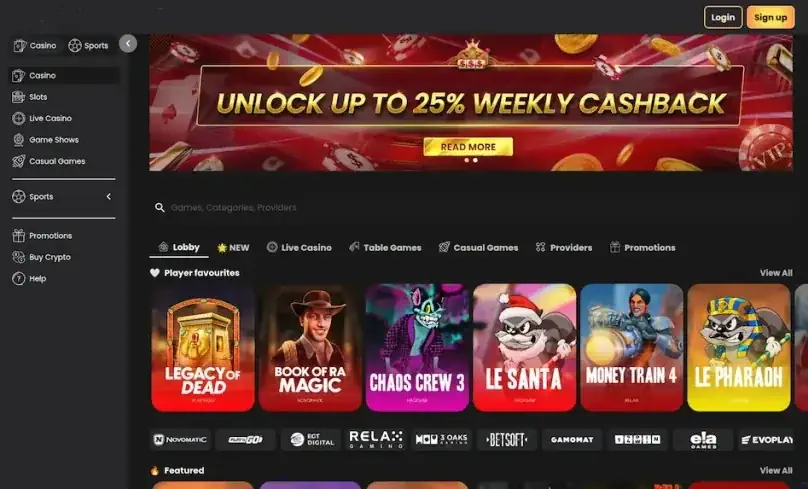
Choosing the right platform is critical. I’ve tested everything from white-label solutions to custom builds. The real decision is whether to use a casino game aggregator like SoftSwiss or Slotegrator, which bundle thousands of titles into one API.
An aggregator isn't a luxury—it's your only realistic path to offering a commercially viable game library from day one.
They handle the technical casino integration services for all those gaming software providers. A direct integration with a single provider like NetEnt can take 3 weeks; an aggregator gives you 50+ studios in 5 business days.
Essential Contracts and Onboarding for Igaming Operators
Don't just sign a platform contract and hope for the best. I review these agreements line by line. Focus on the revenue share split, termination clauses, and data ownership. Your player onboarding process must be frictionless but secure. I require ID verification from a third-party like Veriff. A typical igaming platform contract locks you in for 24 months with a 60/40 revenue split in the provider's favor. Negotiate this down to 12 months. Every day of delayed KYC costs you real, paying players.
Comparing Leading Igaming Software: BGaming, NetEnt, and More
Not all providers are equal. I judge them by their unique strengths and weaknesses.
- BGaming: High volatility, crypto-first features, lower RTP (often 94-96%).
- NetEnt: Industry benchmark for polish, medium volatility, iconic brands.
- Pragmatic Play: Relentless release schedule, high RTP options (up to 97%).
- Play'n GO: Focus on mobile-first gameplay and smooth performance.
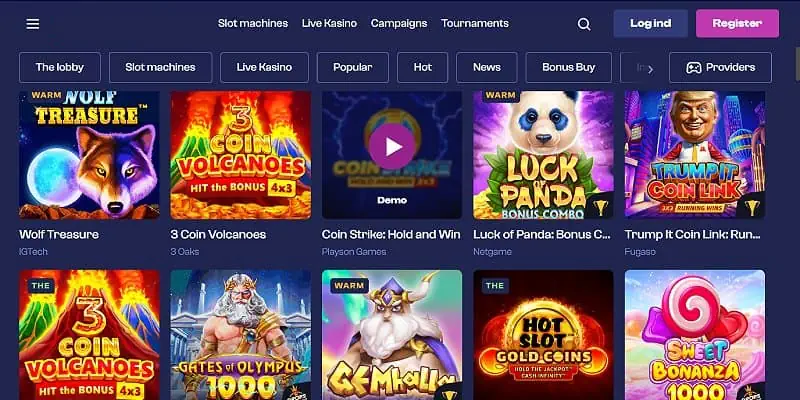
I have BGaming slots for crypto players and NetEnt games for a premium feel. A single Pragmatic Play game like "Gates of Olympus" can generate over 30% of a month's total slot revenue on its own. Your portfolio needs this hit-driven mix.
Baltic Igaming Markets: Growth and Specific Opportunities
While Lithuania and Latvia are established, Estonia is the regional tech hub. This drives a specific player demographic. Here's a snapshot of market potential.
| Country | Regulator | GGR Tax | My Analysis |
|---|---|---|---|
| Estonia | ETCB | 5% | Tech-savvy, high-spending players. |
| Latvia | Lotteries and Gambling Supervision | 10% | Mature market, tough competition. |
| Lithuania | Gaming Control Authority | 15% | High regulation, strong local brands. |
| Poland | Ministry of Finance | 12% | Massive potential, complex licensing. |
Estonian casino operators benefit from advanced digital infrastructure. The combined Baltic igaming markets are projected to hit €1.2 billion in GGR by 2025, with Estonia leading per-capita spend. Focus on local payment methods like SEB or Swedbank.
Building a Future-Proof Online Casino Platform
Your igaming software platform is never finished. Future-proofing means building for flexibility. I prioritize APIs that allow rapid addition of new payment methods, like Revolut or Apple Pay, as they emerge. The backend must scale; cloud solutions from AWS or Google Cloud handle traffic spikes during major igaming tournaments. I allocate 20% of my annual tech budget specifically for compliance and regulatory updates to the gambling software platform. A rigid system today is a dead business tomorrow. Start modular.
FAQ
Why choose an Estonian gambling license?
The ETCB license offers fast EU market access with a 5% GGR tax rate. It’s a cost-effective, respected gateway for new operators. I typically budget around €50,000 for the complete process.
Should I use a game aggregator?
Yes, for most new operators. An aggregator provides access to 50+ game studios via one API in about 5 days. Direct integrations with individual providers take weeks per studio.
Which software provider is best for slots?
Pragmatic Play is my volume leader for monthly releases and revenue hits. NetEnt offers unmatched polish for a premium feel. A balanced portfolio needs both.
What is the typical revenue split with a platform provider?
Initial contracts often propose a 60/40 split favoring the provider. I negotiate this down and aim for a 12-month term instead of the standard 24 months. Every percentage point matters for profitability.
How can I make my casino platform future-proof?
Invest in flexible APIs for payments and game content. I allocate 20% of my annual tech budget for regulatory updates. A modular, cloud-based backend is essential for scaling during tournaments.
Which Baltic market offers the best growth?
Estonia leads in per-capita spend and tech infrastructure. The combined Baltic market is projected to reach €1.2 billion GGR by 2025. Focus on local bank payment methods for success.